
Description
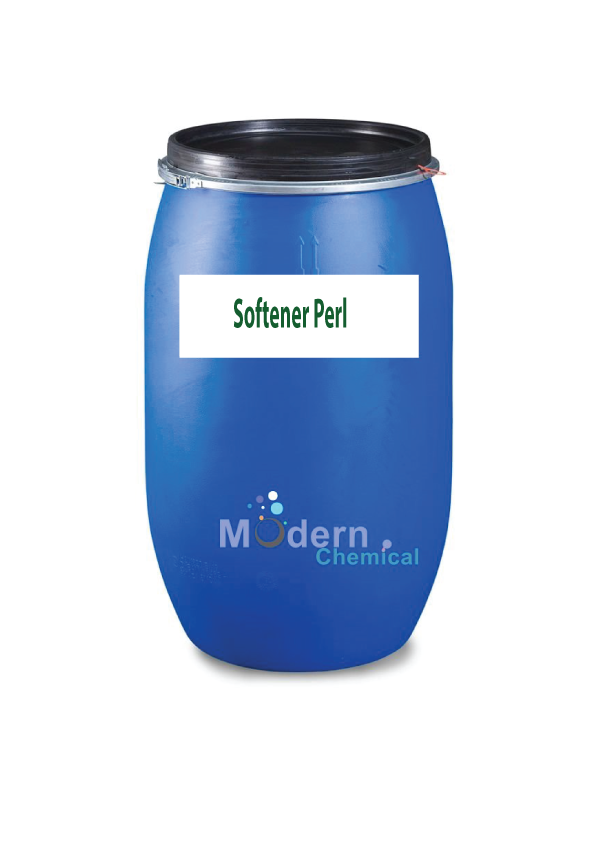
Softener Perl refers to a type of textile softener, typically used to enhance the feel and finish of fabrics after various treatments like dyeing or washing. It imparts a soft, smooth, and silky feel to the fabric, making it more comfortable and improving its drape.
Common Uses of Softener Perl:
- Improving Fabric Softness:
- Application: Used in textile finishing to give fabrics a soft hand feel.
- Mechanism: The softener forms a thin film on the fibers, reducing friction between them, which results in a smoother texture and softer feel.
- Enhancing Fabric Drape:
- Application: Softener Perl improves the flexibility and flow of fabrics, which is particularly important for garments where fabric movement and drape are essential (e.g., dresses, scarves).
- Mechanism: By reducing fiber stiffness, the softener allows fabrics to hang more naturally and move freely.
- Reducing Static Cling:
- Application: Helps reduce static electricity build-up in synthetic fibers like polyester.
- Mechanism: The softener neutralizes static charges, making fabrics less prone to cling and more comfortable to wear.
- Used in a Variety of Fabrics:
- Application: Softener Perl can be used on a wide range of textiles, including cotton, polyester, blends, and even delicate fabrics like silk.
- Mechanism: The formulation is designed to be versatile, working with both natural and synthetic fibers to improve their overall feel and performance.
- Durable Softening Effect:
- Application: Often used in garments and fabrics that will undergo repeated washing.
- Mechanism: Softener Perl is formulated to withstand multiple wash cycles, ensuring the fabric retains its softness over time.
- Improving Color Brightness:
- Application: Some softeners, including Softener Perl, may have the added benefit of enhancing the appearance of fabric colors by giving the surface a smoother, shinier finish.
- Mechanism: The softener smooths out the fiber surface, which can help colors appear more vibrant and less dull.

Reviews
There are no reviews yet.