
Description
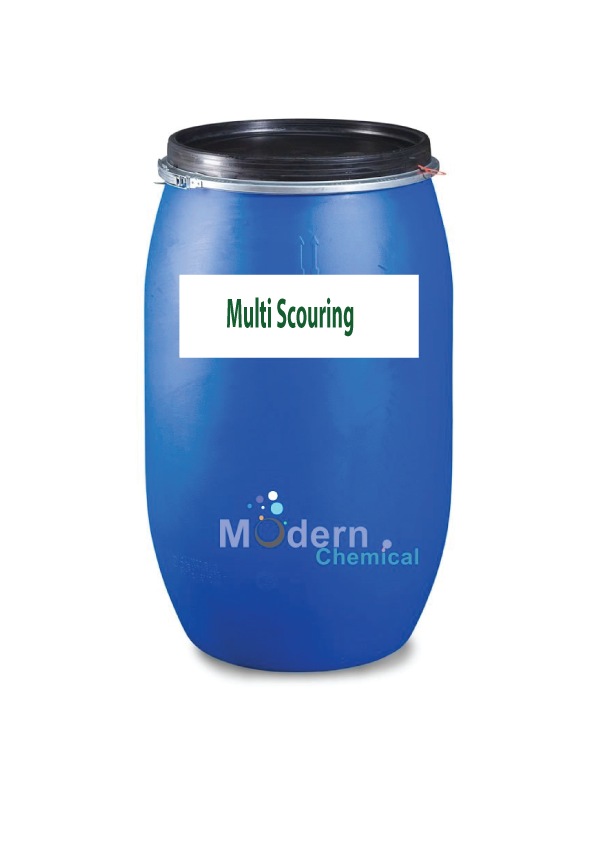
Multi-scouring refers to the process of cleaning textiles to remove impurities like oils, waxes, dirt, and other contaminants that can interfere with dyeing and finishing processes. It is typically used for natural fibers such as cotton and wool, as well as synthetic fibers like polyester, to prepare them for further processing.
Common Uses of Multi-Scouring:
- Removing Natural Impurities:
- Application: Multi-scouring is used to eliminate natural impurities, such as waxes, pectins, and fatty substances, particularly from cotton and wool.
- Mechanism: It involves using a combination of detergents, alkalis, and sometimes enzymes to break down and remove these impurities, resulting in a cleaner fiber.
- Enhancing Dye and Finish Penetration:
- Application: Prepares fabrics for dyeing or finishing by ensuring they are free from contaminants that can block dye absorption.
- Mechanism: The scouring process opens up the fiber structure, allowing for better penetration of dyes and finishing chemicals, leading to more even and vibrant color.
- Improving Fabric Hand and Appearance:
- Application: Multi-scouring improves the overall look and feel of the fabric, making it softer, smoother, and more uniform.
- Mechanism: By removing surface impurities, the process enhances the texture and appearance, making the fabric more appealing and easier to process further.
- Multi-fiber Compatibility:
- Application: Multi-scouring is often used for fabrics made from blended fibers, such as cotton-polyester blends, where both natural and synthetic impurities need to be removed.
- Mechanism: The use of specialized chemicals allows for the effective cleaning of both fiber types in a single process, improving the efficiency of textile production.
- Reducing Residual Contaminants:
- Application: Used to minimize residual contaminants like surfactants or lubricants that are introduced during spinning or weaving processes.
- Mechanism: Multi-scouring employs a combination of high temperatures, water, and scouring agents to dissolve and wash away these residues.
- Environmental Sustainability:
- Application: Advanced multi-scouring techniques aim to reduce water and chemical consumption in textile processing.
- Mechanism: Eco-friendly scouring agents and optimized processes are increasingly being developed to minimize the environmental impact while maintaining effective cleaning.
Common Scouring Agents:
- Alkalis like sodium hydroxide are commonly used to remove fatty substances.
- Surfactants aid in breaking down oils and fats.
- Enzymes (e.g., pectinases or proteases) can be used to target specific impurities, such as plant or protein-based substances in natural fibers.

Reviews
There are no reviews yet.